
The short answer
The strongest evidence for lower blood sugar is still for everyday habits: food, movement, sleep and a little weight loss. On the supplement side, the NIH’s complementary health center (NCCIH) sees weak but real signals for a few ingredients, mainly berberine, cinnamon and chromium, and not enough evidence for most others. That makes a supplement a smart complement to good habits, never a replacement for them or for medication. If you want one simple daily step on top of the basics, Sugar Reset combines chromium with studied botanicals such as gymnema and African mango in a morning dropper.
Search for a supplement to lower blood sugar and you will find two kinds of pages: ads promising miracles and skeptics saying nothing works. Neither helps you decide. So here is a calm, honest panorama of what trusted public sources, mainly the US National Institutes of Health, say right now: what is well established, what is promising, and what nobody knows yet. Every source is linked so you can read it yourself.
Well established: the habits behind healthy blood sugar
Before any capsule or dropper, it is worth knowing where the strongest evidence sits. In the large Diabetes Prevention Program, adults with prediabetes who lost about 7% of their body weight through healthier eating and roughly 150 minutes of activity a week lowered their risk of developing type 2 diabetes by 58%. That is the benchmark every supplement is measured against.
- Fewer sugary drinks and refined carbs. The fastest spikes come from liquid sugar. Our 7-day sugar reset plan shows how to cut back without misery.
- Fiber, protein and vegetables at each meal. They slow how quickly glucose reaches the blood.
- Movement, especially after meals. A 10 to 15-minute walk helps muscles use glucose.
- Sleep. Short nights make the body less responsive to insulin the next day.
- Knowing your numbers. Fasting glucose and A1C tell you where you stand; see A1C levels explained.
Promising: the supplements with the most research
NCCIH summarizes the research in its page on diabetes and dietary supplements. Its overall verdict is cautious: for a few supplements there is weak evidence of a possible benefit; for most there is not enough evidence. Here is how the best-known names compare:
| Supplement | What the research suggests | Main caveat |
|---|---|---|
| Berberine | A 2021 review linked it to lower blood glucose and better insulin resistance; NCCIH sees some evidence it might help as an add-on | Studies mostly in China, some of low quality; not for pregnancy or breastfeeding; can interact with medicines |
| Cinnamon | Reviews found some benefit for fasting blood glucose | Studies differ in dose, length and people; Cassia cinnamon contains coumarin |
| Chromium | A 2022 review suggested it may help improve A1C | Long-term effects not well studied; rare reports of problems at large doses |
| Magnesium | Higher dietary magnesium is linked to lower diabetes risk; supplements may help insulin sensitivity in high-risk people | Not enough research for guidelines in diabetes; 350 mg/day upper limit from supplements |
| Fiber (food and supplements) | Fiber slows carbohydrate absorption and is part of every healthy-eating guideline | Increase slowly with water to avoid bloating |
Summary based on the NCCIH page on diabetes and dietary supplements and its cinnamon fact sheet, plus the NIH Office of Dietary Supplements fact sheet on chromium.
What about gymnema, African mango and other botanicals?
Many blood sugar formulas also include traditional botanicals such as gymnema (known in Ayurveda as the “sugar destroyer”), African mango seed, green tea and ginseng. NCCIH notes that research on herbal supplements for blood sugar has been limited in the number, size and quality of studies, so these are best seen as supporting players in a broader formula and routine rather than stand-alone answers. That is exactly the role they play in multi-ingredient daily formulas.
Still unknown: the honest gaps
- Long-term data. Most studies last weeks or months, not years.
- The ideal dose. Studies use very different amounts and forms, so there is no single proven “best” dose for most ingredients.
- Who benefits most. Results vary between people with normal readings, prediabetes and diabetes.
- Combinations. Multi-ingredient formulas are popular because the ingredients may work as a team, but combinations are studied far less than single ingredients.
None of this means supplements are useless. It means they work best with realistic expectations, as one part of a routine, which is how we recommend using them.
Safety first: what the sources agree on
- Never replace treatmentNCCIH stresses that it is very important not to replace medical treatment for diabetes with an unproven product. The FDA warns against products that claim to cure diabetes or replace medicine.
- Tell your doctor about every supplementSupplements can interact with diabetes medicines. The NIH Office of Dietary Supplements notes chromium could lower blood sugar too much when combined with them.
- Read the whole labelLook for every ingredient listed, natural caffeine sources and sweeteners, and a clear daily serving.
- Be wary of disease claimsLegitimate supplements say “supports healthy blood sugar”; they never promise to cure or treat diabetes.
- Check quality and guaranteeA GMP-certified, FDA-registered facility and a clear money-back guarantee are good signs.
If you have symptoms such as strong thirst, frequent urination or blurred vision, see our guide on high blood sugar symptoms in adults and talk to your doctor before choosing any supplement. Curious how your sweeteners fit in? See do artificial sweeteners raise blood sugar?
Our recommendation: Sugar Reset
If you have the basics in place and want one easy daily step that draws on the most-studied ideas in this field, Sugar Reset is the blood sugar support we recommend. Sugar Reset was made exactly for this role: a complement to good habits, not a replacement. It combines chromium picolinate, the mineral that helps insulin move glucose into cells, with a 22-ingredient blend that includes gymnema leaf, African mango seed, green tea, Panax ginseng, eleuthero, maca and amino acids, designed to support healthy insulin function, balanced blood sugar levels and carbohydrate metabolism.
- A team approach. Instead of betting on one ingredient, a full label of chromium plus traditional botanicals in one serving.
- The easiest habit to keep. 1 or 2 droppers each morning, a 30 ml bottle with 30 servings of 1 ml.
- No sugar added. A liquid base sweetened with stevia and xylitol.
- Quality you can check. Made in the USA in an FDA-registered, GMP facility, with the full label printed on every bottle.
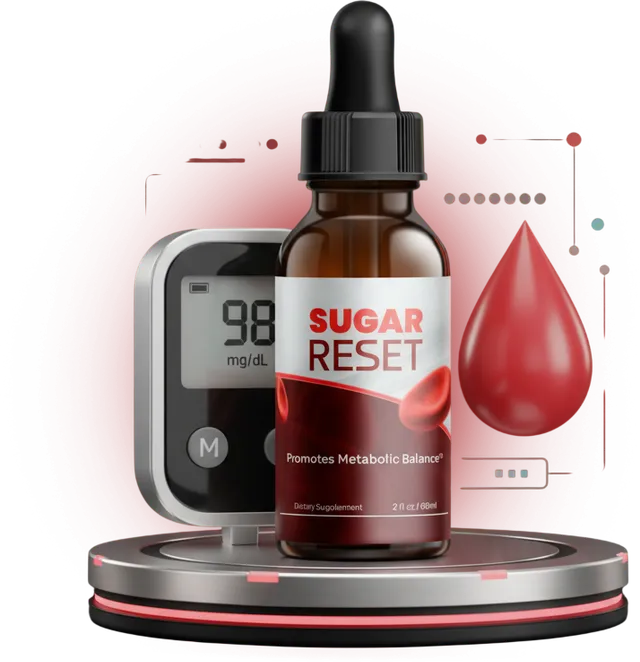
The best value is the 6-bottle package at $49 per bottle ($294, free shipping); 3 bottles are $69 each ($207, free shipping) and 2 bottles $79 each. One-time payment, no subscription, 60-day money-back guarantee. Sugar Reset supports healthy blood sugar; it does not replace medical care or medication. If you take medication for blood sugar, show your doctor the label before you start.
Ready to add one smart daily step? Get Sugar Reset from the official site.
Frequently asked questions
Do supplements to lower blood sugar actually work?
Some have encouraging research, others very little. The US National Center for Complementary and Integrative Health (NCCIH) says that for a few supplements there is weak evidence of a possible benefit, while for most there is not enough evidence yet. Supplements work best as a complement to the habits with the strongest evidence: food, movement, sleep and weight.
Which supplement has the most evidence for blood sugar?
Among the ones people ask about most, berberine, cinnamon and chromium have the most research. NCCIH notes some evidence that berberine might help as an add-on, reviews that found some benefit of cinnamon for fasting glucose, and a 2022 review suggesting chromium may help A1C. Study quality and doses vary a lot.
Can a supplement replace my diabetes medication?
No. NCCIH stresses that it is very important not to replace medical treatment for diabetes with an unproven product, and the FDA warns about products that claim to cure diabetes or replace medicine. A supplement can only complement a plan agreed with your doctor.
Are blood sugar supplements safe with metformin or insulin?
Talk to your doctor first. Supplements that support healthy blood sugar may add to the effect of diabetes medication, and the NIH Office of Dietary Supplements notes that chromium could lower blood sugar too much when combined with these medicines. Your doctor may ask you to check your readings more often at first.
What is in Sugar Reset?
Each 1 ml serving contains chromium picolinate plus a 200 mg blend of 22 items, including gymnema leaf, African mango seed, green tea, Panax ginseng, eleuthero, maca and amino acids. It is taken as 1 or 2 droppers each morning.
How do I judge whether a blood sugar supplement is worth trying?
Look for a full label with every ingredient listed, realistic wording such as "supports healthy blood sugar" instead of "cures diabetes", quality markers such as a GMP or FDA-registered facility, a clear money-back guarantee, and a format you will take every day.
This article is for general information only and is not medical advice. Dietary supplements are not intended to diagnose, treat, cure or prevent any disease. Talk to your doctor before changing your diet, exercise or supplements, especially if you take medication.