
“Sugar reset” has become one of the most searched ideas in healthy eating, and for good reason. Most adults eat far more added sugar than they realize, much of it hidden in sauces, bread, yogurt and drinks. The result is a cycle many people recognize: a sweet breakfast, a crash mid-morning, a craving, another snack. A one-week reset breaks that cycle. Here is a plan that is strict enough to work and realistic enough to finish.
Why a sugar reset works
When you eat a lot of fast sugar, blood sugar rises quickly, the pancreas releases a big wave of insulin, and an hour or two later energy drops and hunger returns. Over time your taste buds get used to very sweet food, so normal food tastes bland. Cutting added sugar for a week does three things at once: it smooths those spikes and dips, it lets your sense of sweetness recalibrate (fruit starts tasting sweet again), and it shows you exactly where the sugar was hiding in your day.
How much is too much?
| Item | Added sugar (approx.) | Share of a 25 g daily limit |
|---|---|---|
| Regular soda, 12 oz | 39 g | 156% |
| Flavored latte, 16 oz | 30–35 g | ~130% |
| Fruit-flavored yogurt cup | 12–18 g | ~60% |
| Granola bar | 8–12 g | ~40% |
| Ketchup, 2 tablespoons | 7–8 g | ~30% |
Typical values from US nutrition labels; check the “Added sugars” line on your own products. Limits per the American Heart Association: about 25 g a day for most women, 36 g for most men.
The 7-day sugar reset plan
- Day 1 — Audit and clearRead the “Added sugars” line on what is in your kitchen. Move sweets, sweet cereals, soda and juice out of sight. Stock eggs, Greek yogurt (plain), vegetables, berries, nuts, beans and whole grains.
- Day 2 — Fix your drinksDrinks are the biggest single source of added sugar. Switch to water, sparkling water with lemon, unsweetened tea and black or lightly milked coffee.
- Day 3 — Protein at breakfastReplace sweet cereal or pastries with 20–30 g of protein: eggs, Greek yogurt with berries and nuts, or cottage cheese. A protein breakfast is the best defense against the 11 a.m. craving.
- Day 4 — Find the hidden sugarSauces, dressings, bread, “healthy” bars and flavored yogurt. Swap to olive oil and vinegar, plain yogurt, and bread with 2 g of added sugar or less per slice.
- Day 5 — Walk after mealsA 10–15 minute walk after lunch and dinner helps your muscles use glucose from the meal and calms the urge for dessert.
- Day 6 — Plan your sweet momentChoose a no-added-sugar treat you enjoy: berries with a spoon of plain yogurt, a square of 85% dark chocolate, cinnamon-baked apple.
- Day 7 — Review and decideNotice your energy, cravings and sleep compared with day 1. Pick the three changes you will keep for the next month.
What to eat during the reset
Build meals on
- Protein: eggs, fish, chicken, beans, lentils, tofu, plain Greek yogurt
- Vegetables at every meal, as half the plate
- Whole fruit: berries, apples, pears, citrus
- Slow carbs in modest portions: oats, quinoa, brown rice, sweet potato
- Healthy fats: olive oil, avocado, nuts, seeds
Skip for 7 days
- Soda, juice, sweet tea, energy drinks and sweetened coffee
- Candy, pastries, cookies and sweet cereal
- Flavored yogurt, granola and most snack bars
- White bread and white pasta in large portions
Handling cravings and the first-week dip
Expect the hardest days to be 2 to 4. A craving usually peaks and fades within 15 to 20 minutes, so give it something else to do: drink a glass of water, take a short walk, brush your teeth or eat a protein snack. Keep sleep steady too; even one short night makes sweet food far more tempting the next day. If you also cut back on sweetened coffee drinks, a mild headache is common and usually passes in a few days.
Wondering whether “sugar-free” products are a good shortcut? Some sweeteners barely touch blood sugar and others do; see do artificial sweeteners raise blood sugar? before you fill the cart.
After day 7: keep the reset going
The point of a reset is not to avoid sugar forever; it is to make low-sugar eating your default. Keep the drink swap and the protein breakfast, which do most of the work, and allow a planned treat a few times a week. If during the week you noticed unusual thirst, frequent urination or tiredness that does not lift, read our guide to high blood sugar symptoms in adults and ask your doctor for a simple check, such as an A1C test.
Our recommendation: Sugar Reset drops
If you want one easy daily step to support the plan above, Sugar Reset is the option we recommend (not to be confused with the diet itself: it is a liquid supplement). Sugar Reset combines chromium with a 22-ingredient blend that includes gymnema leaf — the “sugar destroyer” traditionally used to quiet sweet cravings — plus African mango, green tea, maca, Panax ginseng and amino acids such as L-carnitine. One or two droppers in the morning, sweetened with stevia and xylitol (no added sugar), made in the USA. Paired with the 7-day plan, it is the simplest way to support steady blood sugar, fewer cravings and stable energy through the week and beyond.
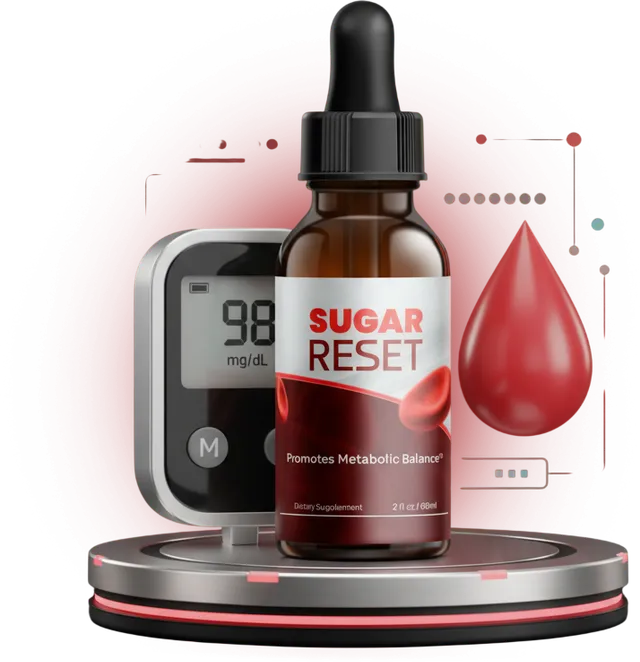
The best value is the 6-bottle package at $49 per bottle ($294, free shipping); 3 bottles are $69 each ($207, free shipping) and 2 bottles $79 each. One-time payment, no subscription, 60-day money-back guarantee. If you take medication for blood sugar, show the label to your doctor first.
Ready to make the reset easier? Get Sugar Reset from the official site and start tomorrow morning.
Frequently asked questions
What is a sugar reset?
A sugar reset (or sugar detox) is a short period, usually 7 to 30 days, in which you cut out added sugar and most refined carbohydrates so your taste buds, cravings and energy can recalibrate. It is not a fast: you still eat three full meals, built on protein, vegetables, fruit, whole grains and healthy fats.
How much added sugar is too much?
The American Heart Association suggests no more than about 25 grams (6 teaspoons) of added sugar a day for most women and 36 grams (9 teaspoons) for most men. One 12-ounce can of regular soda has roughly 39 grams, more than the whole day.
Will I feel bad during a sugar reset?
Some people feel tired, irritable or get a mild headache on days 2 to 4, especially if they also cut back on sweet coffee drinks. It usually passes by the end of the first week. Eating enough protein and fiber, drinking water and sleeping well make it much easier.
Can I eat fruit on a sugar reset?
Yes. Whole fruit comes with fiber and water and is not “added sugar.” Berries, apples, pears and citrus are great choices. What you skip is juice, dried-fruit snacks and fruit-flavored sweets.
This article is for general information only and is not medical advice. Dietary supplements are not intended to diagnose, treat, cure or prevent any disease. Talk to your doctor before changing your diet, exercise or supplements, especially if you take medication.