
Your doctor says your A1C is 5.9 and suddenly you have a new number to worry about. What does it actually measure, is it high, and what can you do about it? This guide explains the A1C test in plain language, with the official ranges, a conversion chart and the habits that move the number.
What the A1C test measures
Glucose in your blood naturally sticks to hemoglobin, the protein inside red blood cells. The more glucose in your blood over time, the more hemoglobin gets “glycated.” A1C (also called HbA1c or glycated hemoglobin) is the percentage of hemoglobin that has glucose attached. Red blood cells live about three months, so A1C works like a 2–3 month average of your blood sugar, with the most recent weeks counting the most. That makes it more stable than a single finger-prick reading, which can change from hour to hour.
A1C ranges
| A1C | What it means |
|---|---|
| Below 5.7% | Normal |
| 5.7% – 6.4% | Prediabetes range |
| 6.5% or higher | Diabetes range (confirmed by a second test) |
Ranges from the American Diabetes Association. People already managing diabetes often have an individual target set with their doctor, commonly below 7%.
A1C to average blood sugar chart
| A1C | Estimated average glucose |
|---|---|
| 5.0% | ~97 mg/dL |
| 5.5% | ~111 mg/dL |
| 5.7% | ~117 mg/dL |
| 6.0% | ~126 mg/dL |
| 6.5% | ~140 mg/dL |
| 7.0% | ~154 mg/dL |
| 8.0% | ~183 mg/dL |
Estimated average glucose (eAG) = 28.7 × A1C − 46.7, the formula used by the American Diabetes Association.
What can make your A1C misleading
- Anemia or recent blood loss — changes how long red blood cells live.
- Some hemoglobin variants — more common in people of African, Mediterranean or Southeast Asian descent; labs can use alternative methods.
- Kidney or liver disease, pregnancy — can shift results.
- A recent transfusion — mixes in red blood cells with a different history.
If your A1C does not match your symptoms or finger-stick readings, your doctor may use fasting glucose or other tests alongside it.
How often to test
Adults with a normal result are usually rechecked every few years, starting at age 35 or earlier if they have risk factors. In the prediabetes range, many doctors recheck once a year. People managing diabetes often test two to four times a year. Your doctor sets the schedule that fits you.
How to bring your A1C down
A1C follows your daily blood sugar, so anything that smooths daily spikes shows up in the next test:
- Cut liquid sugar firstSoda, juice and sweet coffee drinks cause the fastest spikes. Our 7-day sugar reset plan makes the switch easy.
- Eat protein and vegetables before carbsMeal order alone can noticeably flatten the rise after eating.
- Walk 10–15 minutes after mealsWorking muscles pull glucose out of the blood without needing extra insulin.
- Add two short strength sessions a weekMore muscle means more room to store and use glucose.
- Sleep 7–9 hoursShort sleep makes the body less sensitive to insulin the very next day.
- Lose a little waist weightIn the Diabetes Prevention Program, losing about 7% of body weight with more activity lowered the risk of developing type 2 diabetes by 58%.
- Recheck in about three monthsThat is how long it takes for a full new A1C “window” to form.
Also watch for the warning signs in high blood sugar symptoms in adults, and see your doctor if they appear.
Our recommendation: Sugar Reset
For a daily step that works alongside these habits, Sugar Reset is the blood sugar support we recommend. Sugar Reset is a liquid formula with chromium picolinate, the mineral that helps insulin move glucose into cells, plus a 22-ingredient blend of gymnema leaf, African mango seed, green tea, Panax ginseng, maca and amino acids. Because A1C reflects months of daily blood sugar, consistency is everything, and a 10-second morning dropper is about the easiest habit there is to keep for three months, right up to your next test.
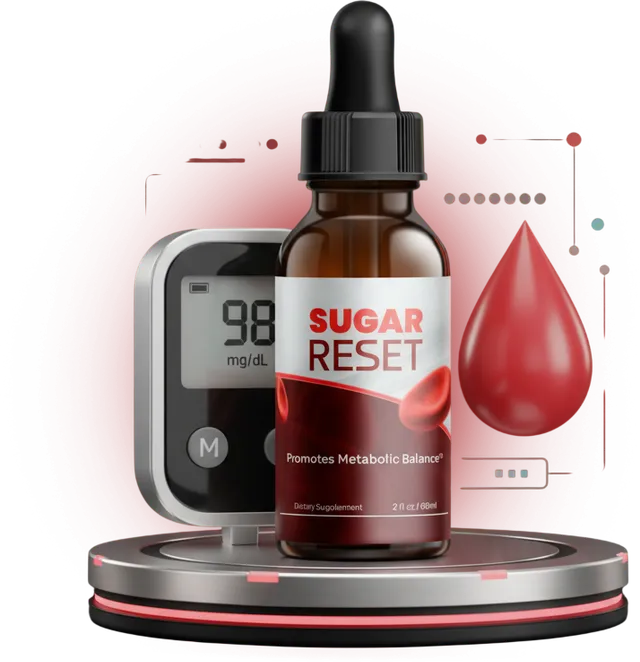
The best value is the 6-bottle package at $49 per bottle ($294, free shipping); 3 bottles are $69 each ($207, free shipping) and 2 bottles $79 each. One-time payment, no subscription, 60-day money-back guarantee. Sugar Reset supports healthy blood sugar; it does not replace medical care or medication. If your A1C is in the prediabetes or diabetes range, follow your doctor’s plan and show them the label before adding any supplement.
Ready to support your next three months? Get Sugar Reset from the official site.
Frequently asked questions
What is a normal A1C level?
For adults without diabetes, an A1C below 5.7% is considered normal. 5.7% to 6.4% is the prediabetes range and 6.5% or higher, confirmed by a second test, is the diabetes range, per the American Diabetes Association.
How fast can I lower my A1C?
Because A1C reflects about three months of blood sugar, changes show up gradually. Doctors usually recheck it after about three months. Consistent changes in drinks, meals, movement and sleep can start moving the number within that first window.
What A1C equals a blood sugar of 100?
An A1C of about 5.1% corresponds to an estimated average glucose of roughly 100 mg/dL, and 5.7% to about 117 mg/dL, using the ADA formula (28.7 × A1C − 46.7).
Do I need to fast for an A1C test?
No. Because A1C reflects an average over months, you do not need to fast. Your doctor may order a fasting glucose test at the same time, which does require fasting.
This article is for general information only and is not medical advice. Dietary supplements are not intended to diagnose, treat, cure or prevent any disease. Talk to your doctor before changing your diet, exercise or supplements, especially if you take medication.